About IP Labs
Built for bold missions
Interstellar Performance Labs, powered by Fort Hill Group, is a training and human factors consultancy dedicated to strengthening safety, leadership, and operational performance in mission-driven organizations.
Who we are
Our mission
Strengthen safety, leadership, and human performance in mission-driven organizations. Through intentional training, human factors consulting, and operational frameworks, we prepare individuals, teams, and institutions for extraordinary missions.
Through structured training, operational assessments, and safety culture development, we help individuals, teams, and institutions improve how they prepare, communicate, and make decisions in complex environments. Our work integrates human performance principles, risk management, and systems thinking to support organizations committed to continuous improvement.
Powered by Fort Hill Group. {One sentence on who Fort Hill Group is and what it adds: e.g. aviation safety, human factors engineering, and consulting depth.}
Write the Fort Hill Group line.

Why we exist
Because the bar was too low.
We kept seeing people and organizations step into high-stakes environments without the training, leadership, or systems to back them. So we built what we couldn’t find.
Mission-ready training for candidates and crews, and consulting that helps habitats and mission operators embed safety and performance into everything they do. Our mission is to professionalize the industry, whether it’s space, analogs, or beyond, by raising expectations and helping people and systems perform when it matters most.
Our approach
Fundamental frameworks, industry standards, and methodologies
We train for the moments that matter: when systems break down, pressure spikes, and teams either rise or fall. Mission success isn’t earned by showing up. It’s earned in how you prepare.
NASA Human Behavior & Performance Competency Model
The framework astronauts train against. Every IPL training program is built on these competencies: communication, teamwork and group living, leadership, conflict management, cross-cultural awareness, self-care and self-management, situational awareness and decision making, and emotional regulation.
Human Factors Analysis & Classification System (HFACS)
A proven framework for identifying and preventing human error. We use it to audit habitats, investigate incidents, and design systems that get ahead of failure instead of reacting to it. Its co-developer, Dr. Scott Shappell, advises IPL.
International Guidelines & Standards for Space Analogs (IGSA)
A collaborative benchmark we helped shape in 2022, aligning habitats and mission operators on safety, training, and human factors standards. We audit and prepare organizations against it.
How we got here
Mission milestones
The moves that built IPL.
- March 2022
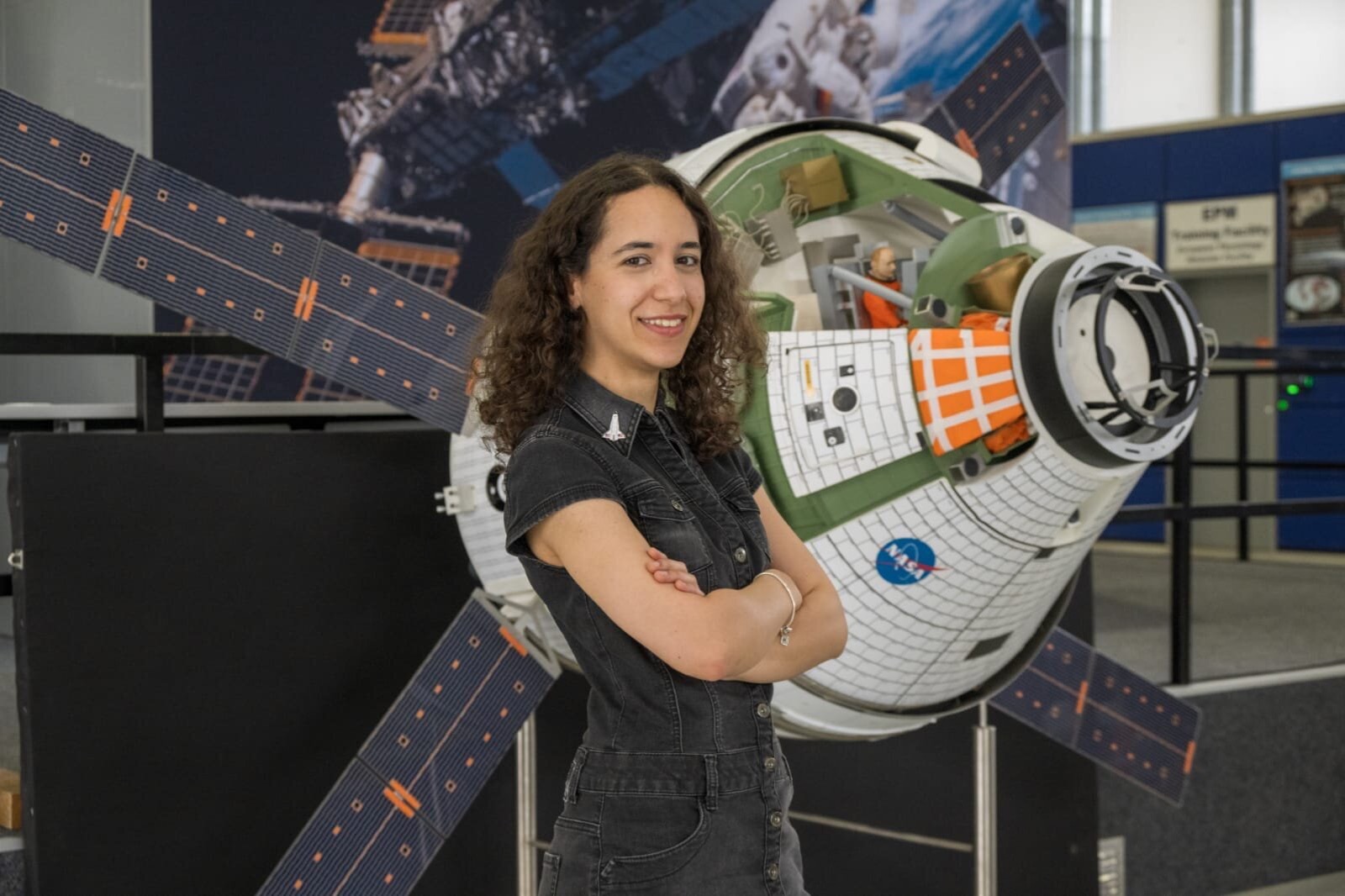
Emily’s first analog mission
The spark that started it all. What began as a deep-dive into the analog world turned into an immersive learning experience, and the foundation for what would become Interstellar Performance Labs.
- April 2022
First in-person Analog Astronaut Conference
We officially launched IPL and joined forces with global analog leaders to start pushing safety, training, and standards forward. The beginning of our safety-first movement.
- September 2022
Launchpad to STAR
The beta version of what would grow into our signature training. A mini program focused on astronaut readiness, human performance, and leadership proved there was a real need for more.
- November 2022
International Guidelines and Standards for Space Analogs
Our founder spearheaded a grassroots initiative to bring greater professionalism and structure to the analog community, launching the first effort to align on safety, training, and human factors standards across analog missions.
- March 2023
First STAR cohort (23.1)
We rolled out the full nine-week STAR program and certified our first six candidates. The start of structured, mission-ready training.
- January 2024
Second STAR cohort (24.1)
With new improvements and expert contributors, we trained another six STARs from around the world.
- May 2024
Third STAR cohort (24.2)
Advanced assessments and crew evaluation protocols. Five more STARs certified, with stronger self-awareness and team insight than ever.
- August 2024
World’s Biggest Analog
We scaled like never before: a two-cohort self-study program for 75 candidates, with peer evaluations, monthly mentorship, and selection support.
- October 2024
First human factors safety audit
IPL was hired to conduct a full mission safety audit for the first time, including a human factors investigation, debrief, and recommendations that were implemented in 2025.
- January 2025
Grounded in NASA’s HBP competencies
We rebuilt the STAR program from the ground up around NASA’s Human Behavior & Performance Competency Model. Every element is now aligned with what it takes to be mission-ready by space agency standards.
- May 2025
First STAR in-person training
An intensive week of physical and mental development, team dynamics, leadership, and safety for mission preparation.
- April 2026
STAR Summit at Biosphere 2
Our first five-day readiness expedition in Oracle, Arizona, held alongside the Analog Astronaut Conference.
Interstellar Performance Labs values
What we expect from ourselves, and from you.
Ownership
If it’s in your hands, it’s your responsibility. No blame-shifting. No waiting. Just action.
Humility
This isn’t about who’s right. It’s about getting it right. Humility wins missions.
Feedback
Say the thing. Hear the thing. Get better. That’s the deal.
Discomfort
Growth demands discomfort. We don’t just tolerate it. We train for it.
Curiosity
If you don’t understand, ask. If you’re challenged, learn. If you messed up, own it and evolve.
Progress
We iterate fast. Learn fast. Improve fast. Progress always beats perfection.
Systems thinking
Every action either strengthens or weakens the system. Be the upgrade.
Training
You don’t get what you want. You get what you train for. Reps, rigor, and relentless intent.
Respect
We train in diverse, dynamic teams. Respect isn’t optional. It’s how we thrive.
Safety
It’s not a checklist. It’s a culture, and it starts with how we prepare.
Meet the team
Instructors who have lived it. Advisors who wrote the frameworks.
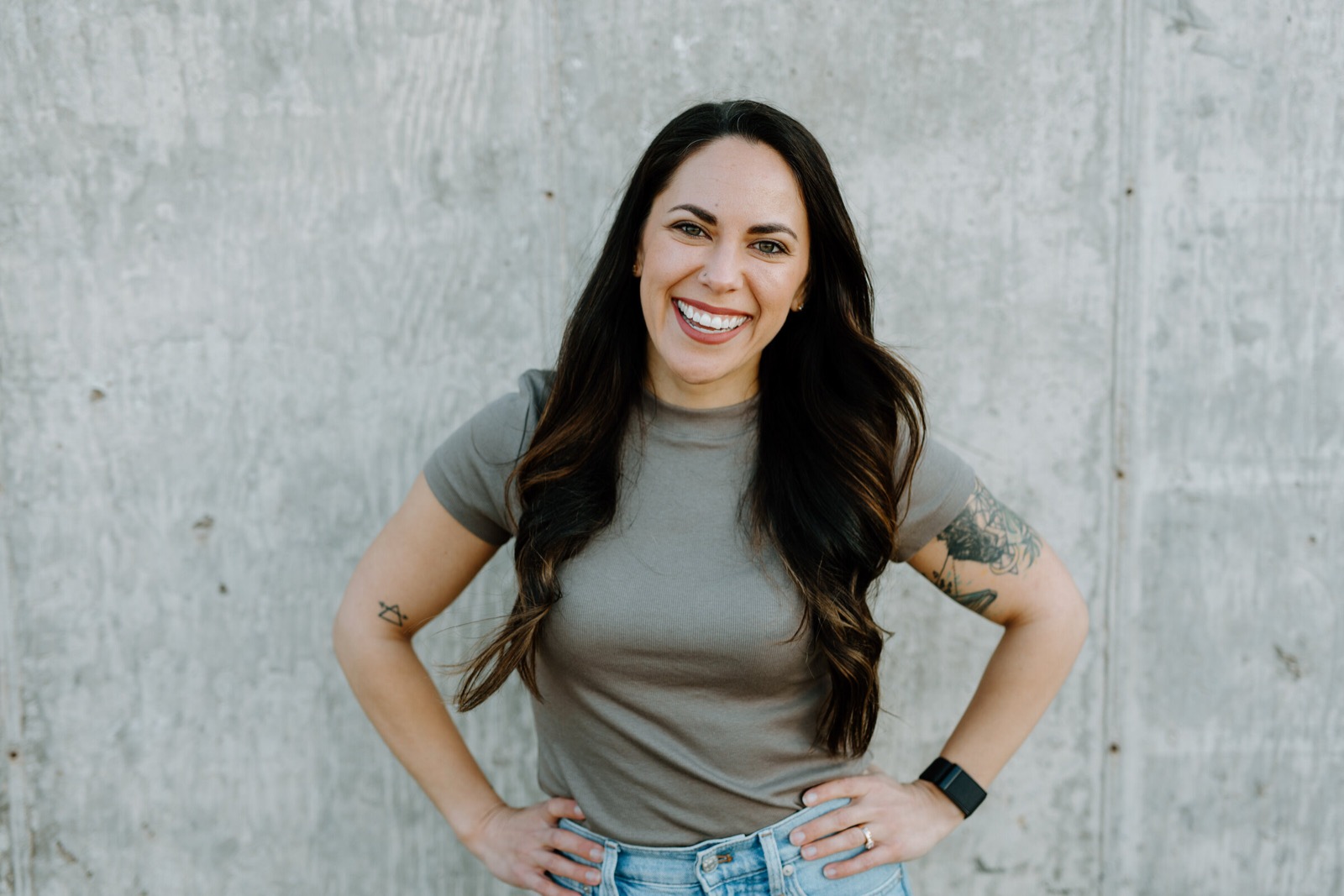
Emily Apollonio
Founder · Human Factors Consultant · STAR Instructor
Founder of Interstellar Performance Labs and architect of the STAR Program, Emily blends accident investigation expertise, human spaceflight analog mission and isolation experience, and astronaut training science to lead crews and leaders to next-level performance.
LinkedIn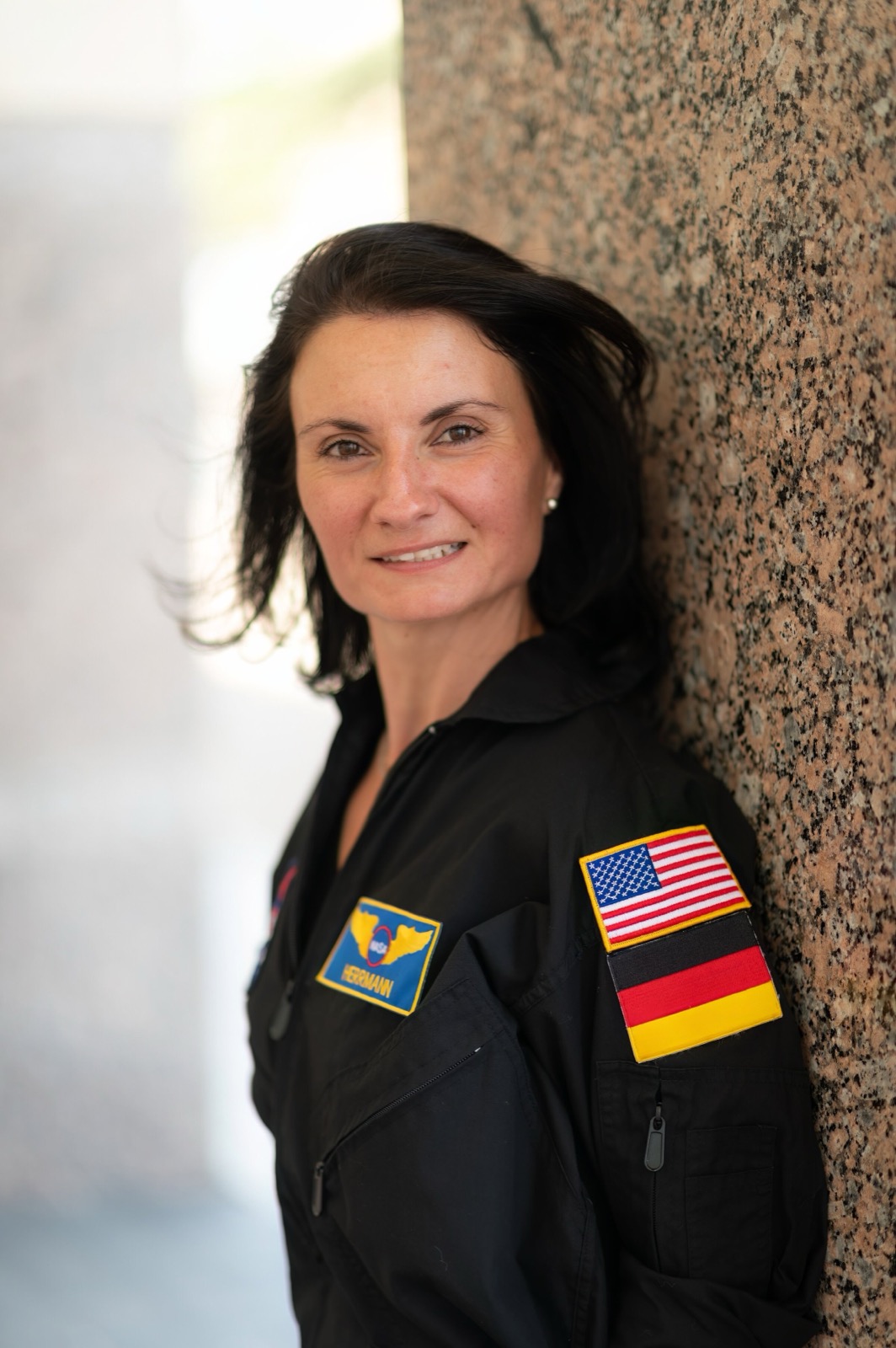
Dr. Sandra Herrmann
STAR Instructor · NASA HERA Analog Astronaut
A NASA HERA analog astronaut, geologist, and marine research specialist, Sandra blends deep science with real-world experience. With 12+ years at sea and a PhD from ETH Zurich, she brings operational clarity, imaging expertise, and global fieldwork experience to every training she leads.
LinkedIn
Christina Valagkouti
STAR Instructor & Mentor
A space nutrition scientist with a passion for extreme environments, now at the German Aerospace Center shaping the future of astronaut health. TEDx speaker, ESA intern, and SCaN scholar, Christina makes sure crews are fueled for performance, resilience, and survival.
Add a headshot for Christina (none on the current site).
LinkedIn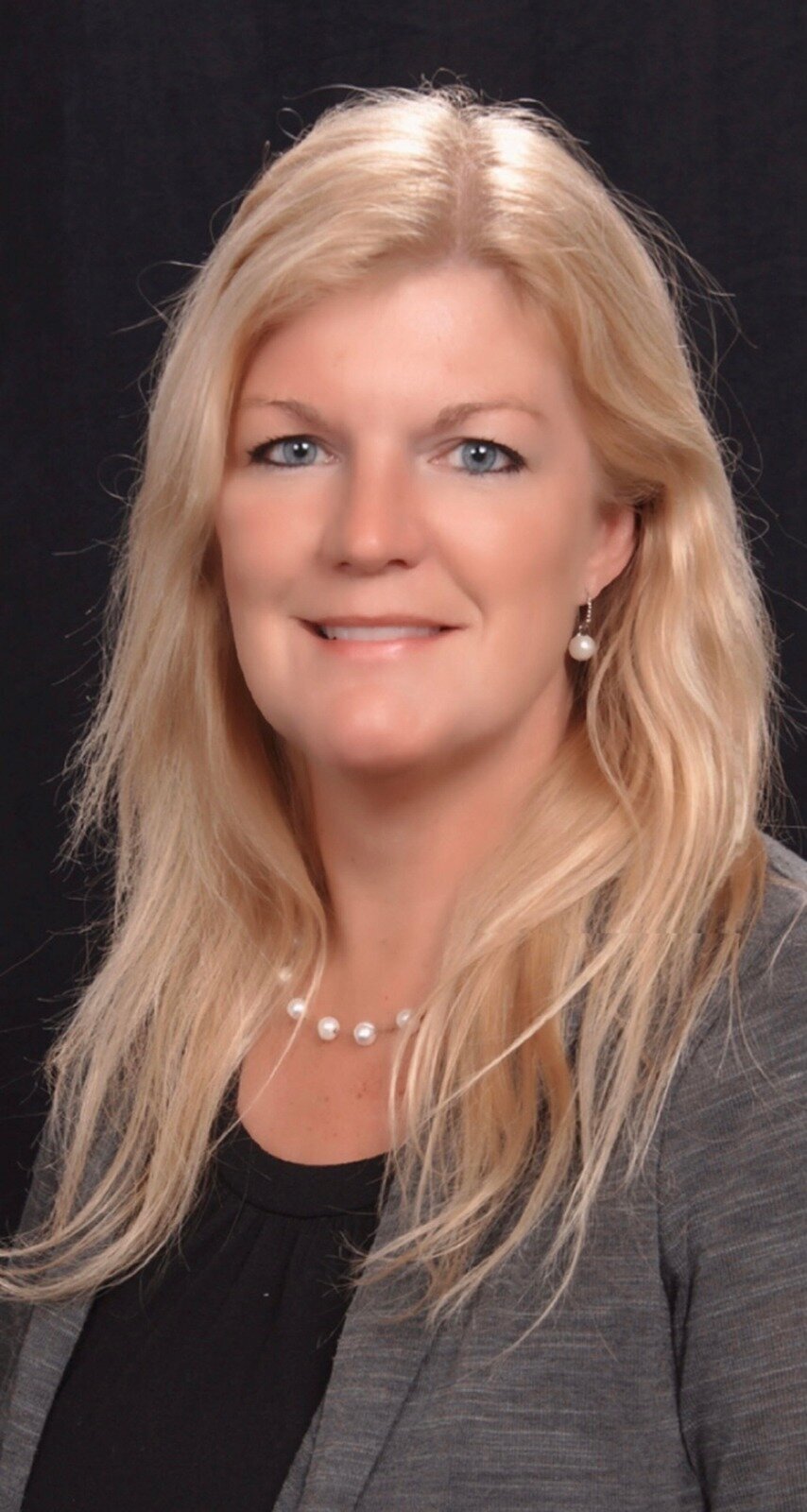
Dr. Jenni Hesterman
Advisor · Threat Assessment & Resilience
A retired Air Force Colonel and expert in threat assessment and resilience, Dr. Hesterman’s strategic insight helps us think bigger, prepare better, and lead stronger, especially when it comes to safety and crisis response.
LinkedIn
Dr. Scott Shappell
Advisor · Co-developer of HFACS
Co-developer of HFACS and a pioneer in human factors, Dr. Shappell helps us raise the bar on error analysis and system performance. His mentorship is instrumental in adapting HFACS to the unique demands of human spaceflight analog environments.
Current headshot is 180×225px and will look soft. Request a larger file.
LinkedIn
Let’s get to work
Ready to raise your standard?
Join the crews, leaders, and changemakers who are training for more than a title. They’re training for impact.