Services · 02
Habitat Support
Safety audits, crew selection and recruitment, and reporting systems for analog habitats, research stations, and the organizations that run them.
Why habitats call us
Your habitat is a system. So is your crew.
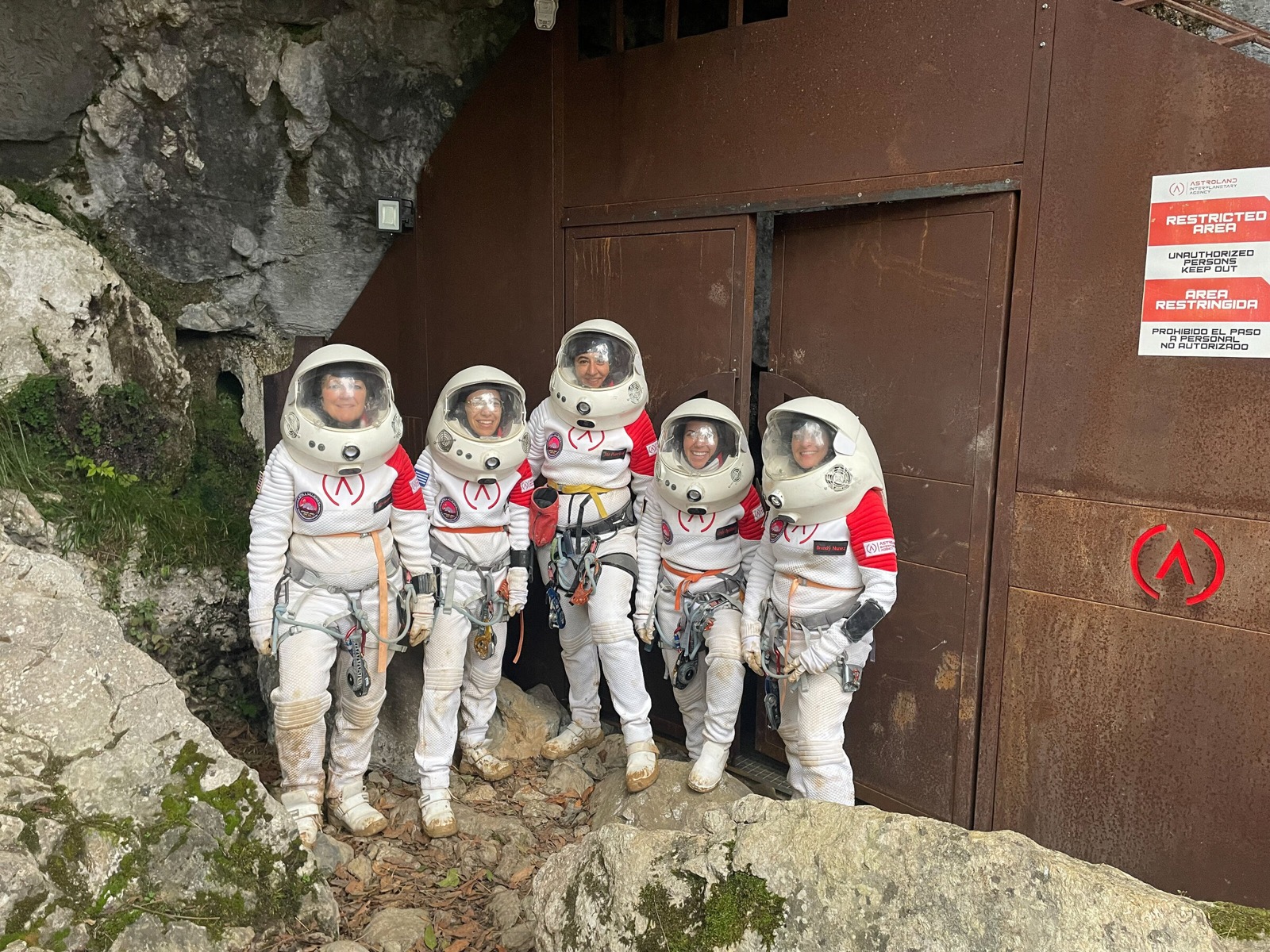
Analog habitats run real risk with volunteer crews, lean budgets, and growing expectations from researchers and partners. We help you prove the habitat is safe, fill it with the right people, and build the reporting culture that keeps it that way.
We co-authored the International Guidelines and Standards for Space Analogs, and in 2024 delivered the first full human factors safety audit of an analog mission. The recommendations were implemented the following season.
Something went wrong, or nearly did.
You need an honest, structured look at what happened and what to change, without blame.
You’re selecting a crew.
You want more than a résumé screen: selection criteria, assessments, and a pipeline of candidates who are already trained.
You’re writing standards for the first time.
Partners, universities, or insurers are asking for safety guidelines and reporting you don’t have yet.
What we deliver
Habitat support services
Human Factors Safety Audit
On-site or remote · 2–6 weeks
A full review of your habitat, procedures, and mission operations using HFACS to identify risk-prone workflows and predict where human error will occur. Interviews with crew and staff, document and procedure review, and observation where possible.
You get: a written audit report with prioritized findings, an implementation roadmap, a debrief with your leadership team, and a follow-up review.
Confirm typical duration and whether a lighter “pre-season readiness review” tier exists.
Crew Selection & Recruitment
Per mission or per season
Selection criteria aligned to NASA’s Human Behavior & Performance competencies, candidate sourcing through the STAR Candidate Registry and our network, structured assessments and interviews, and crew composition recommendations.
You get: a selection framework you can reuse, a shortlist with assessment summaries, crew composition recommendations, and onboarding tools for the selected crew.
Safety Reporting Systems & Infrastructure
Design and rollout
Reporting structures and feedback loops that capture near-misses and incidents, track trends across missions, improve communication between crew and mission control, and support a proactive safety culture.
You get: reporting forms and workflow, a review cadence, trend dashboards or templates, just-culture guidance, and training for the people who will run it.
Standards & Operational Readiness
Guidelines, SOPs, and risk reviews
Develop or refine safety guidelines, align your operation with the International Guidelines and Standards for Space Analogs, run mission-specific risk reviews, and prepare your team to execute under pressure.
You get: a gap analysis against IGSA, written guidelines and SOPs, a mission risk register, and a readiness review before each season.
Onboarding & Crew Training
With Training Delivery
Once your crew is selected, we train them together before they deploy, and we can design onboarding tools that make every future crew faster to integrate.
Pre-mission crew trainingHow it works
Your consulting journey
Book a 30-minute discovery call
Share your challenges and goals. We’ll tell you honestly whether and how we can help.
Define the scope
Together we identify the most impactful services for your habitat, crew, or mission, and what “done” looks like.
Receive your custom plan
A tailored proposal with clear outcomes, timeline, and delivery options (remote, on-site, or hybrid).
Engage & elevate
We deliver, debrief, and leave your team with systems they can run without us.
Grounded in

NASA Human Behavior & Performance Competency Model
The framework astronauts train against. Every IPL training program is built on these competencies: communication, teamwork and group living, leadership, conflict management, cross-cultural awareness, self-care and self-management, situational awareness and decision making, and emotional regulation.
Human Factors Analysis & Classification System (HFACS)
A proven framework for identifying and preventing human error. We use it to audit habitats, investigate incidents, and design systems that get ahead of failure instead of reacting to it. Its co-developer, Dr. Scott Shappell, advises IPL.
International Guidelines & Standards for Space Analogs (IGSA)
A collaborative benchmark we helped shape in 2022, aligning habitats and mission operators on safety, training, and human factors standards. We audit and prepare organizations against it.

Let’s get to work
Make your habitat the one crews trust.
Tell us about your habitat and the season ahead. We will tell you where to start.